

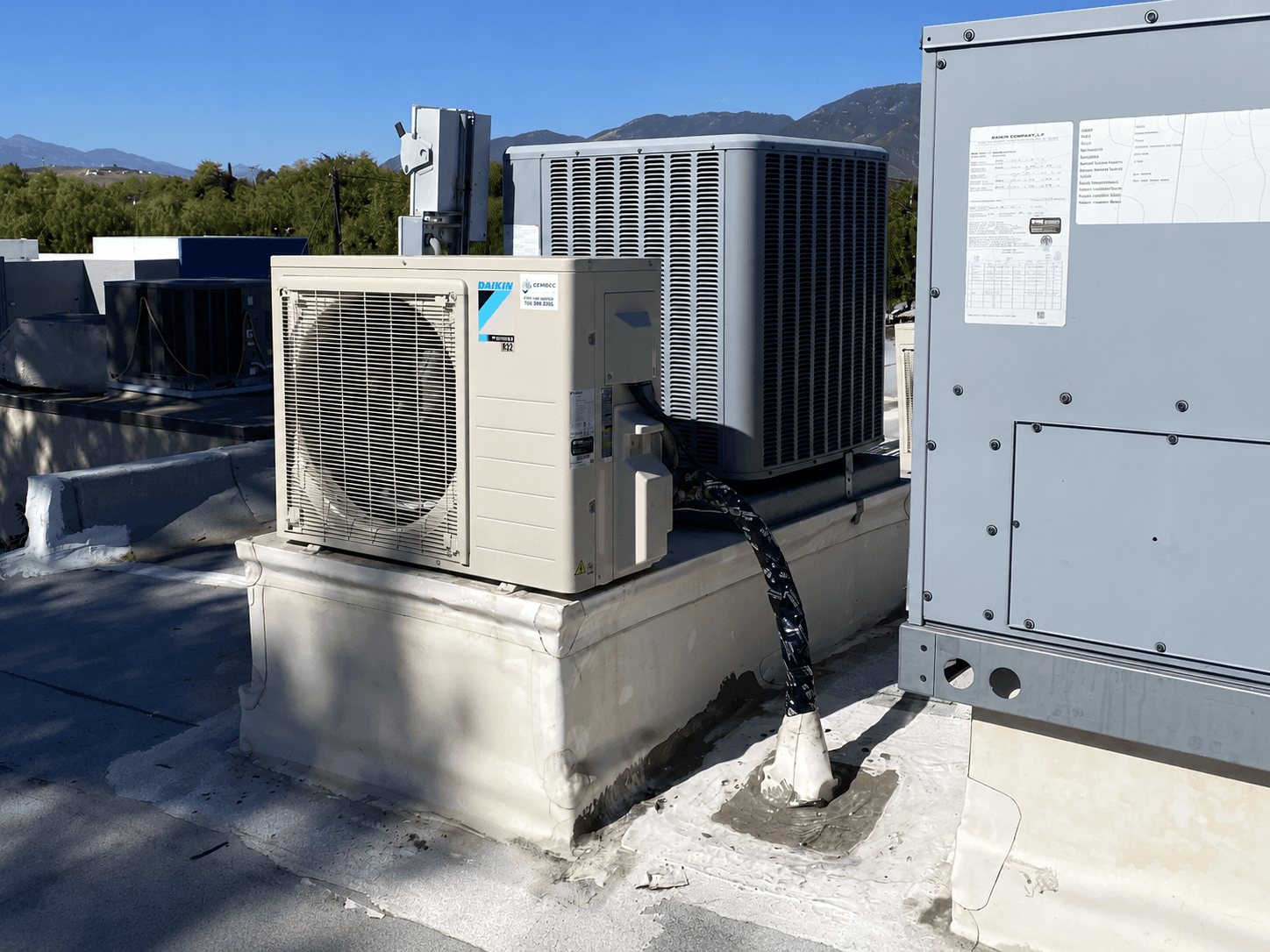
Introduction: Why Energy-Efficient Heat Pumps Are the Future of Home Comfort
As energy costs rise and sustainability becomes a priority, modern heat pumps have emerged as one of the most efficient and versatile HVAC systems for residential applications. Whether you live in a mild coastal climate or a freezing winter zone, there’s a high-performance heat pump designed to keep your home comfortable year-round while lowering your utility bills.
This 2025 buyer’s guide explains how heat pumps work, the types available, and how to choose the right one for your home and climate. You will learn how to maximize energy efficiency, comfort, and cost savings through the right HVAC system.
What Is a Heat Pump?
A heat pump is a complete heating and cooling system that transfers heat rather than generating it. It functions like a reversible refrigerator, moving heat from one place to another through refrigerant, compressors, and coils.
-
In winter, the heat pump extracts heat from the outdoor air and brings it indoors.
-
In summer, it reverses direction, removing indoor heat and releasing it outdoors.
Because they transfer heat instead of burning fuel, heat pumps can achieve 200–400% efficiency compared to gas furnaces or electric baseboard systems.
Types of Heat Pumps
1. Air-Source Heat Pumps (ASHPs)
The most common and cost-effective type, air-source heat pumps draw heat from outdoor air and transfer it indoors.
Best for: Mild to moderate climates (California, Texas, the Carolinas)
Advantages: Affordable, easy to install, compatible with ductless mini-split systems
Limitations: Efficiency declines in sub-freezing temperatures unless equipped with cold-climate technology
2. Ground-Source or Geothermal Heat Pumps (GSHPs)
These systems use underground piping to transfer heat to or from the earth’s stable temperature.
Best for: Homeowners focused on long-term savings and sustainability
Advantages: 300–600% year-round efficiency, quiet operation, low maintenance
Limitations: Higher upfront cost, requires space for ground loops
According to the U.S. Department of Energy, geothermal heat pumps can reduce energy use by up to 65% compared to standard HVAC systems.
3. Water-Source Heat Pumps
These systems use a nearby lake, pond, or well as the heat exchange medium.
Best for: Properties with accessible water sources
Advantages: High efficiency, stable year-round performance
Limitations: Feasible only if a water body is available near the home
Cold-Climate Heat Pumps: Reliable Heating in Freezing Conditions
Traditional air-source heat pumps once struggled in extreme cold, but today’s cold-climate heat pumps (CCHPs) use advanced inverter compressors, enhanced refrigerants, and smart defrost cycles to operate efficiently in temperatures as low as –15°F (–26°C).
Key Cold-Climate Technologies:
-
Dual-stage or inverter compressors for precise modulation
-
Enhanced vapor injection (EVI) for high heating capacity
-
Intelligent defrost cycles to prevent performance loss
-
Cold-resistant refrigerants such as R-454B and R-32
Leading 2025 Cold-Climate Models:
-
Mitsubishi Electric Hyper-Heat®
-
Daikin Aurora Series
-
Bryant Evolution™ Extreme 24
-
Fujitsu Halcyon XLTH
Best for: Northern United States, Canada, or mountain climates
Energy savings: Up to 40% compared to oil or propane furnaces
Inverter Heat Pumps: Smarter, Quieter, and More Efficient
Unlike conventional heat pumps that operate at a fixed speed, inverter heat pumps use variable-speed compressors that automatically adjust output based on demand. This results in smoother temperature control and higher efficiency.
Core Benefits:
-
Up to 30–40% higher energy efficiency
-
Stable indoor temperatures without sudden fluctuations
-
Lower operating noise for bedrooms and offices
-
Extended equipment life due to reduced mechanical stress
Best for: Homeowners seeking quiet operation, lower bills, and compatibility with smart thermostats such as Ecobee or Nest.
How to Choose the Right Heat Pump for Your Home
1. Climate Considerations
-
Mild Climates: Air-source or inverter heat pumps are ideal.
-
Cold Climates: Choose a cold-climate or dual-fuel heat pump that pairs with a gas furnace for extreme conditions.
-
Humid Climates: Opt for systems with variable-speed fans or integrated dehumidification.
2. Home Size, Insulation, and Ductwork
An accurately sized heat pump ensures maximum efficiency. A Manual J load calculation by a certified HVAC professional is essential. Proper insulation and sealed ducts are equally important for consistent comfort.
3. Budget and Energy Incentives
-
Federal Tax Credit (IRA Section 25C): Up to $2,000 for qualifying high-efficiency heat pumps
-
Utility Rebates: $500–$2,500 depending on location and provider
-
State Programs: Additional savings in California, Massachusetts, and New York
Always check ENERGY STAR® ratings—higher SEER2 (Seasonal Energy Efficiency Ratio) and HSPF2 (Heating Seasonal Performance Factor) values indicate superior performance.
Installation and Maintenance Best Practices
Proper installation determines whether your system achieves its advertised efficiency. Poor installation can waste up to 20% of potential energy savings.
Installation Guidelines:
-
Hire certified HVAC professionals (NATE, ACCA, or manufacturer-trained)
-
Verify correct refrigerant charge and airflow balance
-
Ensure ducts are sealed and insulated to prevent leakage
-
Register the product for extended manufacturer warranties
Maintenance Checklist:
-
Clean or replace filters every 60–90 days
-
Inspect outdoor coils and condensate drains regularly
-
Check refrigerant pressure and system performance annually
-
Schedule professional servicing twice a year
Routine maintenance can increase efficiency by 10–15% and prolong system lifespan.
Top Heat Pump Brands for 2025
| Brand | Key Feature | Ideal Climate | Energy Rating |
|---|---|---|---|
| Mitsubishi Electric | Hyper-Heat cold-climate technology | Cold regions | Up to 23 SEER2 / 12.5 HSPF2 |
| Daikin | Advanced inverter system with quiet operation | Mild to cold | Up to 22 SEER2 |
| Bryant/Carrier | Dual-fuel hybrid compatibility | Variable climates | Up to 21 SEER2 |
| LG | Ductless mini-split flexibility | Warm climates | Up to 22 SEER2 |
| Trane | Robust, all-weather construction | All climates | Up to 20 SEER2 |
Environmental and Economic Benefits
Choosing an energy-efficient heat pump delivers both ecological and financial advantages:
-
Reduced carbon footprint: No on-site combustion or emissions
-
Lower utility bills: Annual energy savings up to $1,000 or more
-
Longer lifespan: Durable compressors and reduced system strain
-
Energy independence: Combine with solar panels and battery storage for net-zero performance
Heat pumps play a central role in the transition to clean electrification and sustainable home energy.
Conclusion: Invest in the Right Heat Pump for Long-Term Comfort and Savings
The right energy-efficient heat pump provides consistent comfort, lower operating costs, and long-term reliability. Whether you select an air-source, geothermal, or cold-climate inverter system, you’ll enjoy year-round comfort with fewer emissions and higher savings.
Work with a certified HVAC installer, utilize available rebates, and prioritize equipment with high ENERGY STAR ratings. A properly installed, well-maintained heat pump is not only an investment in your home—it is an investment in your future energy independence and environmental responsibility.