2026-08-26
Home Electrification in Southern California: Benefits, Costs and a Smart Upgrade Plan
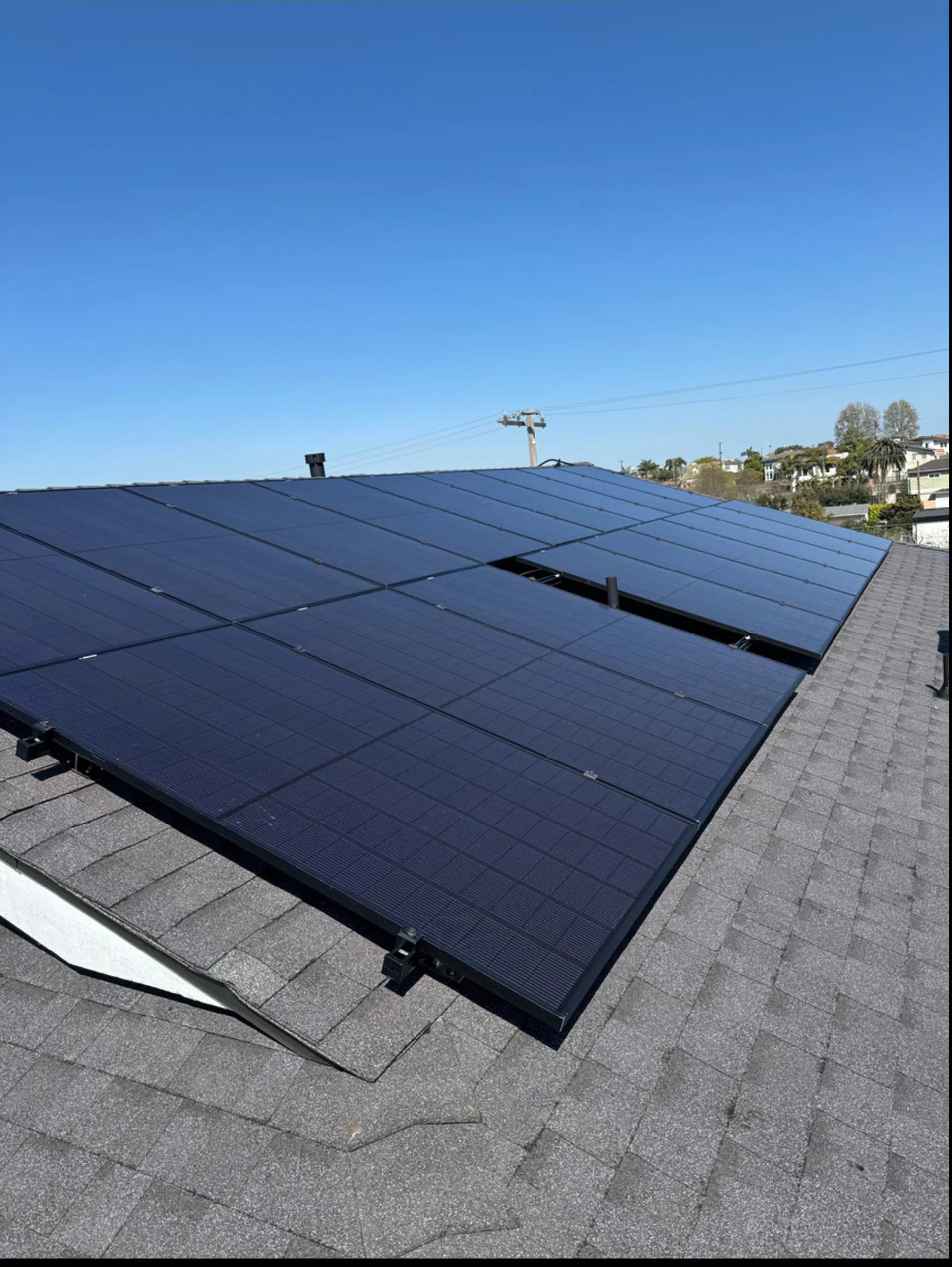
Home electrification replaces equipment that burns natural gas or gasoline with efficient electric technology, then coordinates those new loads with the home's electrical capacity, utility rate plan, insulation, solar and battery storage.
The practical takeaway: Compare the combined cost of electricity, natural gas and gasoline before and after electrification. Savings are possible, but they depend on the home, equipment, usage pattern, utility and rate plan.
What is home electrification?
A typical home uses several fuels for different jobs. Electricity runs lights, air conditioning and appliances. Natural gas may heat the home, water and food. Gasoline powers the family vehicle. Home electrification moves more of those jobs to electricity, using high-efficiency equipment and smart controls.
In Southern California, that can include heat-pump heating and cooling, a heat-pump water heater, induction cooking, an EV charger, rooftop solar and a home battery. It does not mean every homeowner should replace every appliance tomorrow. The strongest plan is usually phased around equipment age, comfort problems, remodeling, vehicle purchases and the household's actual energy use.
The goal is not simply to use more electricity. The goal is to use the right equipment at the right time, reduce wasted energy and create a home energy system that is easier to control.
Seven practical benefits of home electrification
1. One coordinated energy plan
Instead of treating HVAC, water heating, solar, batteries, EV charging and the electrical panel as separate projects, electrification lets the homeowner plan them as one system. That coordination can prevent duplicate work and make future upgrades easier.
2. Efficient heating and cooling
Heat pumps transfer heat rather than creating it through combustion. One system can provide both heating and cooling, which is especially useful in Southern California homes that already need dependable air conditioning. Correct sizing, duct condition and controls matter as much as the equipment label.
3. Better comfort and control
Modern variable-speed and multi-zone heat-pump systems can maintain steadier temperatures and give homeowners more control over the rooms they use. Air sealing and insulation can further reduce hot and cold spots.
4. A modern electric kitchen
Induction cooktops heat compatible cookware directly. They offer fast response, precise control and less waste heat in the kitchen. Removing gas combustion from cooking also removes a source of combustion pollutants inside the home.
5. Convenient home EV charging
Charging at home can reduce trips to public chargers and lets the homeowner schedule charging around driving needs and time-of-use rates. Charger capacity should be coordinated with the home's other large loads.
6. More value from solar and battery storage
Solar can supply part of the home's new electric load. A battery can store energy for evening use and, when designed for backup, support selected loads during an outage. The right design depends on the tariff, usage profile and resilience goal.
7. A more future-ready home
Planning circuits, panel space, load controls and replacement timing in advance can reduce surprises when an air conditioner, water heater or vehicle needs to be replaced.
Can home electrification save money? What the California data says
The honest answer is that it can, but savings are not automatic. The California Energy Commission's 2025 Building Energy Action Plan summarizes CPUC modeling that compared combined electricity, natural-gas and gasoline bills for representative households after electrification.
Under the income-graduated fixed-charge time-of-use structure modeled in the report, the representative cases produced the following monthly savings ranges across PG&E, SCE and SDG&E and inland and coastal scenarios:
| Electrification scenario | Modeled monthly savings | What changed |
|---|---|---|
| Full home | $11.24–$18.57 | Gas household appliances switched to electric |
| Vehicle only | $16.87–$25.11 | Gasoline vehicle switched to electric |
| Home + vehicle | $28.17–$43.68 | Home appliances and vehicle electrified |
Source: California Energy Commission, 2025 California Building Energy Action Plan, p. 37, Table 4. These are modeled representative cases, not guaranteed customer savings.
The report also warns that many customers may see bills increase. A household's baseline consumption, fuel mix, utility territory, climate, equipment selection and rate plan can change the result. This is why a credible proposal should show the assumptions and compare total household energy costs rather than electricity alone.
Do you need a 200-amp electrical panel? Not always.
96% of studied 100-amp homes: A CEC-cited analysis of 1,764 homes found that 96% could add heat-pump HVAC, a heat-pump water heater, or both without upsizing the panel.
That finding does not mean every 100-amp service has enough capacity. The panel's condition, breaker space, existing loads, local code, utility rules and proposed equipment still need to be evaluated. But it does show why an automatic "you need 200 amps" assumption can be expensive.
The same CEC report notes that most analyzed panel and service upgrades cost more than $3,000, and one-quarter cost more than $13,000. A proper load calculation, review of actual demand where available, efficient equipment selection and approved load-management methods may avoid unnecessary work. Unsafe, damaged or obsolete equipment should still be replaced.
A smart six-step electrification plan
- Establish the current baseline. Collect 12 months of electricity and natural-gas bills. Add gasoline spending if an EV is being considered. Note seasonal peaks and unusual months.
- Inspect the home and existing equipment. Document equipment age, fuel type, capacity, ducts, insulation, air leakage, panel rating, breaker space and major loads.
- Prioritize comfort and end-of-life replacements. A failing air conditioner, furnace or water heater can be the best trigger because the homeowner already needs replacement equipment.
- Select efficient equipment and size it correctly. Use load calculations, duct evaluation and the home's actual conditions.
- Match the rate plan and operating schedule. Pre-cooling, scheduled water heating, midday EV charging and battery dispatch can change the economics.
- Compare complete project scenarios. Include installed cost, incentives available at the time, financing, maintenance, replacement timing and expected bill impact.
Which upgrades should come first?
There is no universal sequence, but the following order works well for many Southern California homes:
- Fix safety issues and basic electrical defects first.
- Improve air sealing, insulation or duct performance where the home has clear comfort or efficiency problems.
- Replace failed or aging HVAC and water-heating equipment with properly sized heat-pump options.
- Plan EV charging with the household's driving schedule and available panel capacity.
- Evaluate solar and battery storage using the home's new load profile and utility tariff.
- Add induction cooking and other electric appliances when remodeling or replacing equipment.
Southern California considerations
A coastal Orange County home, an inland Riverside home and a Los Angeles home may have very different heating and cooling needs. Utility rules and rates also vary among SCE, SDG&E, LADWP, Pasadena Water and Power, Glendale Water and Power and other local providers.
That variation is a reason to use local weather, the correct utility tariff and actual household usage. It is also why a contractor that can coordinate HVAC, solar, batteries, EV charging and electrical work can create a more coherent plan than a collection of disconnected quotes.
Frequently asked questions
Is home electrification the same as installing solar?
No. Solar generates electricity. Home electrification changes the equipment and vehicles that use energy. They can be combined, but either can be considered separately.
Will electrification definitely lower my bills?
No contractor should promise universal savings. The result depends on the home, existing fuels, equipment efficiency, driving, rate plan, operating schedule and project cost. Ask for a transparent current-versus-electrified comparison.
Do I have to electrify the entire home at once?
No. A phased plan can follow normal replacement cycles. Plan circuits, capacity and equipment interactions before the first project.
Will I need a 200-amp panel?
Not necessarily. A licensed contractor should inspect the equipment, complete the required load calculation and evaluate load-management options. Some homes need an upgrade; others do not.
What is usually the best first electrification upgrade?
For many homeowners, replacing an aging HVAC system or water heater is a practical first project because it addresses an immediate need. The right choice depends on the home's condition and the owner's priorities.
Can a battery back up the entire house?
It depends on battery capacity, inverter output, starting loads, wiring and the desired backup duration. Many systems are designed around essential loads; others can support more of the home.
Does induction cooking require new cookware?
Induction requires magnetic cookware. If a magnet sticks firmly to the bottom of a pan, it is generally induction-compatible.
Build the plan around your home
EL-FI Homes serves homeowners across Los Angeles, Orange, Riverside and San Bernardino counties with solar, battery storage, EV charging, heat pumps and electrical work. Bring 12 months of electricity and gas bills, the age of your HVAC and water heater, and your EV or solar plans. We can build a customer-specific scenario instead of relying on a generic savings claim.