

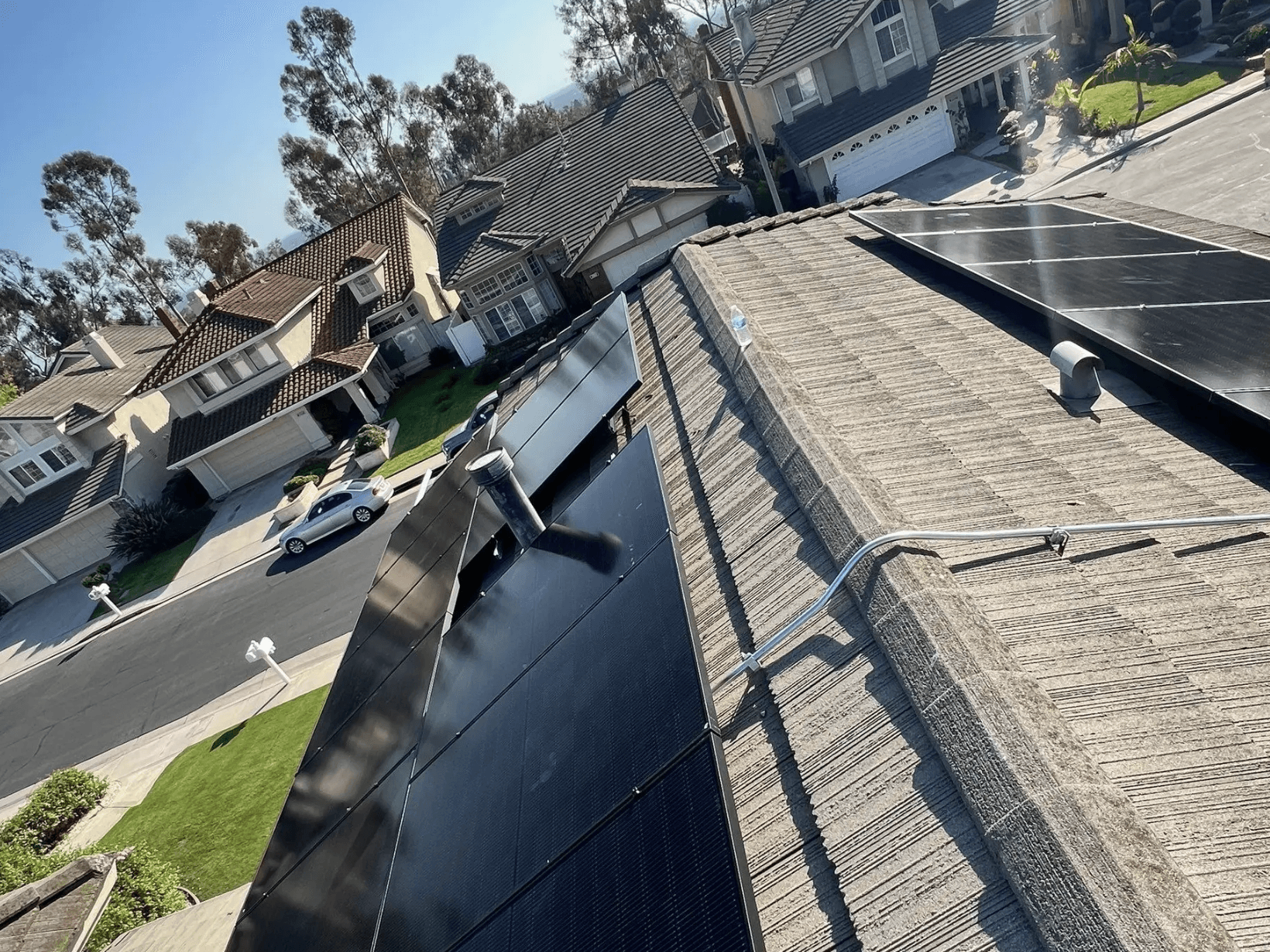
For homeowners in Los Angeles, Orange County, and Riverside County, pairing solar panels with home battery storage is the most effective way to cut bills, boost resilience, and reduce carbon emissions under California’s TOU rates and NEM 3.0. This guide covers the top advantages, from backup power to solving the California Duck Curve.
What You’ll Learn
-
Why energy storage is essential for using solar power later
-
How batteries enable grid independence and outage resilience
-
Ways to reduce energy costs and maximize solar self-consumption
-
Grid-support and environmental benefits
-
How batteries improve ROI, enable microgrids, and help with California blackouts
1) Energy Storage for Later Use
Store daytime solar, use it at night.
Solar panels produce most power 10am–4pm, while home demand often spikes in the evening. Battery storage captures excess mid-day solar and discharges it when you actually need it—after sunset or early morning—delivering a continuous, reliable power supply and higher solar utilization.
2) Grid Independence & Resilience
Power through outages and wildfire PSPS events.
A right-sized solar + battery system reduces reliance on the grid and keeps critical loads on when the utility fails—vital for Southern California’s planned shutoffs and storm-related outages.
Benefits of grid independence
-
Reliability: Lights, Wi-Fi, refrigerator, medical devices stay on
-
Cost control: Less dependence on utility energy and rate hikes
-
Sustainability: Fewer fossil-based kWh from the grid
3) Reduced Energy Costs (TOU Optimization)
Shift usage away from peak rates.
Batteries let you time-shift energy: charge from solar (or cheaper off-peak) and discharge during peak TOU pricing. That means lower electric bills without changing your lifestyle.
Illustrative savings ranges (actual results vary)
-
2 kW solar: save ~$408–$680/yr → ~$10k–$17k over 25 yrs
-
4 kW solar: save ~$816–$1,360/yr → ~$20k–$34k over 25 yrs
-
6 kW solar: save ~$1,224–$2,040/yr → ~$31k–$51k over 25 yrs
-
8 kW solar: save ~$1,632–$2,720/yr → ~$41k–$68k over 25 yrs
-
10 kW solar: save ~$2,040–$3,400/yr → ~$51k–$85k over 25 yrs
Typical energy cost comparison (SoCal)
-
Grid electricity: ~$0.26–$0.66/kWh (varies by utility & TOU period)
-
Solar LCOE: ~$.08–$.10/kWh (depends on system size & financing)
4) Maximized Solar Utilization (Self-Consumption)
Use more of what you generate.
Without storage, surplus solar is exported at lower value under NEM 3.0. With batteries, you self-consume more energy, cut grid imports, and increase the value of your solar investment.
Advantages
-
Higher self-consumption ratio
-
Lower monthly bills
-
Smaller carbon footprint
5) Support for the Grid
Make the grid stronger and cleaner.
Distributed batteries provide frequency regulation, demand response, and peak load shaving—all of which stabilize the grid as California adds more renewables.
Grid services
-
Frequency stabilization
-
Peak demand reduction
-
Local reliability during stress events
6) Environmental Benefits
Fewer emissions, cleaner air.
Solar + storage displaces fossil generation and reduces GHG emissions and local air pollution.
| Metric | Grid-Only | Solar + Battery |
|---|---|---|
| CO₂ Emissions (tons/yr) | High | Reduced 60–80% |
| Local Air Pollution | Significant | Minimal 15–25% |
| Renewable Energy Share | Lower | High 70–90% |
(Illustrative ranges; actual results vary by usage and system size.)
7) Backup Power for Critical Loads
Keep essentials running.
During outages, battery-backed solar can power critical circuits—lighting, outlets for devices, garage door, fridge/freezer, network gear, and selected HVAC components—delivering peace of mind and home safety.
Key features
-
Automatic transfer to battery backup
-
Custom critical-load panel design
-
Safe, code-compliant installation
8) Improved Solar System ROI
Higher value, faster payback.
Storage unlocks TOU arbitrage, boosts self-consumption, and can capture incentives—all of which improve ROI over the system’s life.
ROI drivers
-
TOU peak reduction
-
Lower grid imports under NEM 3.0
-
Potential rebates and tax credits (subject to change)
9) Microgrid-Ready Homes & Communities
Local power, local control.
Solar + batteries are the building blocks for home microgrids and community microgrids—capable of running independently when the main grid is unstable.
Microgrid benefits
-
Autonomy during grid disturbances
-
Reliability for remote or fire-prone areas
-
Resilience for essential community services
10) Accelerates Renewable Energy Adoption
Make clean energy practical.
Storage turns intermittent solar into on-demand power, helping households adopt all-electric appliances (e.g., heat pump HVAC, heat pump water heater) and EV charging with confidence.
11) Solves the California Duck Curve
Flatten peaks, fill valleys.
The Duck Curve shows the midday solar surplus and steep evening ramp. Batteries store excess midday production and discharge during evening peaks, easing grid strain and supporting rate stability.
12) Coping with California Blackouts
Wildfire-driven PSPS? Be ready.
As Public Safety Power Shutoffs and wildfire events continue, solar + battery ensures your home stays powered—maintaining comfort, food safety, and communications.
Conclusion
Solar + battery storage is the most powerful upgrade a Southern California homeowner can make: lower energy costs, higher resilience, cleaner air, and a smarter, NEM 3.0-ready home. As technology improves and incentives evolve, adoption keeps getting easier. If you’re in Los Angeles, Orange County, or Riverside County, now is the perfect time to evaluate a right-sized solar + storage system.
FAQ
1) Why is energy storage important for solar systems?
It lets you store daytime solar and use it at night or during outages—delivering continuous power and higher solar efficiency.
2) What is grid independence and why is it beneficial?
Grid independence means relying more on your own solar + battery. You gain reliability, cost control, and lower emissions.
3) How can solar + battery reduce my energy costs?
By charging from solar (or off-peak) and discharging during peak TOU periods, you cut expensive grid purchases and stabilize bills.
4) How does storage maximize solar utilization?
Batteries boost self-consumption, so less energy is exported at low value and more is used on-site when you need it.
5) How do solar + batteries support the grid?
They provide frequency regulation, demand response, and peak shaving, improving grid reliability as renewables grow.
6) What are the environmental benefits?
Fewer GHG emissions and local pollutants, higher renewable share, and progress toward clean energy goals.
7) How does battery backup power work in outages?
A smart inverter isolates your home from the grid and powers critical loads from the battery until utility power returns.
8) Do batteries improve ROI?
Yes—via TOU optimization, self-consumption, and potential incentives, improving long-term payback.
9) What are microgrids and how do these systems enable them?
Microgrids are local energy networks that can run independently. Solar + storage are the core components that make them possible.
10) How do batteries promote renewable energy adoption?
They make solar dispatchable, enabling all-electric homes (heat pumps, EVs) without sacrificing reliability.
11) What is the Duck Curve and how do batteries help?
It’s the gap between midday solar and evening demand. Batteries store midday surplus and serve evening peaks, flattening the curve.
12) How do solar + batteries help during California blackouts?
They provide reliable backup power so your home stays safe and connected during PSPS and unplanned outages.